November 11, 2026
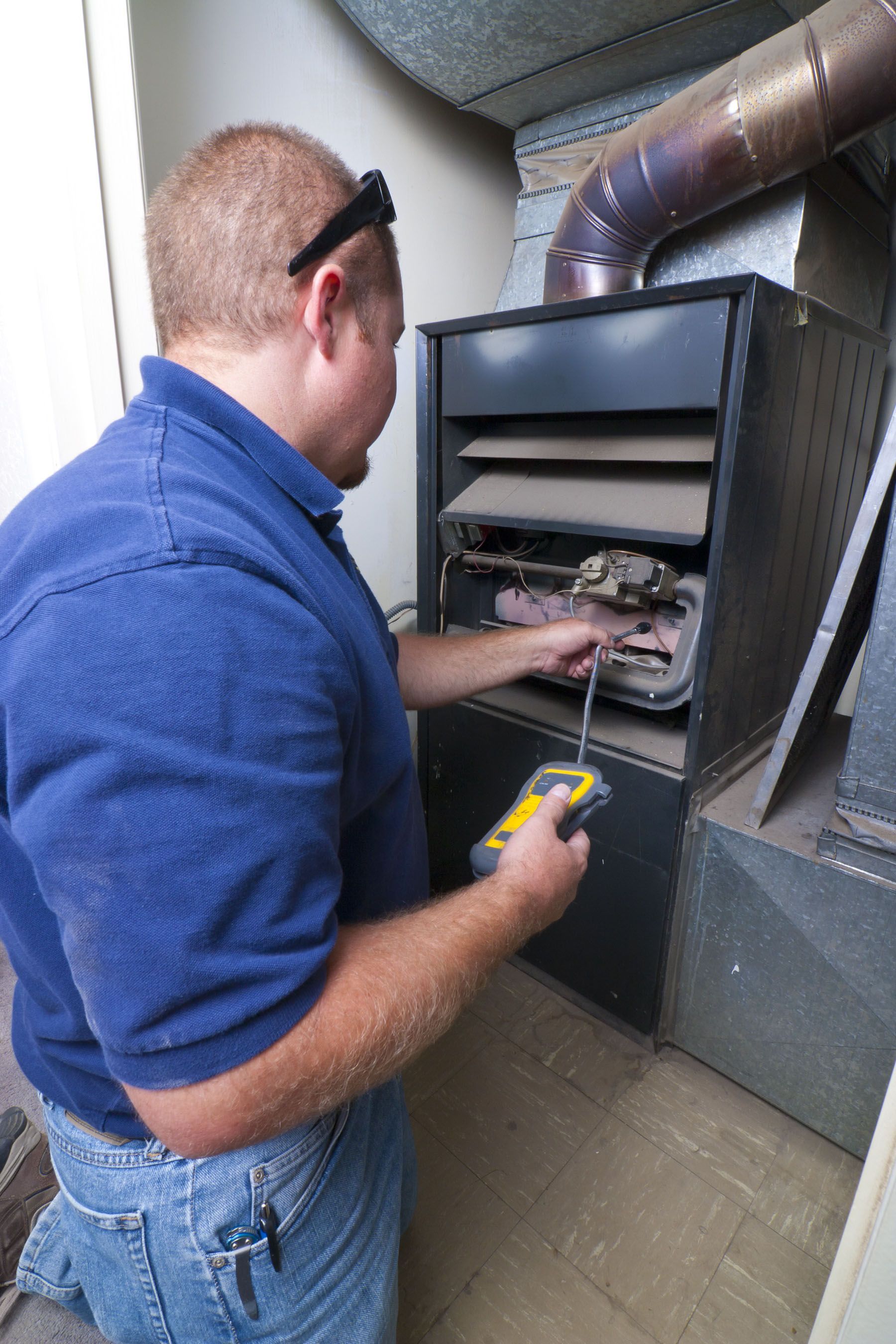
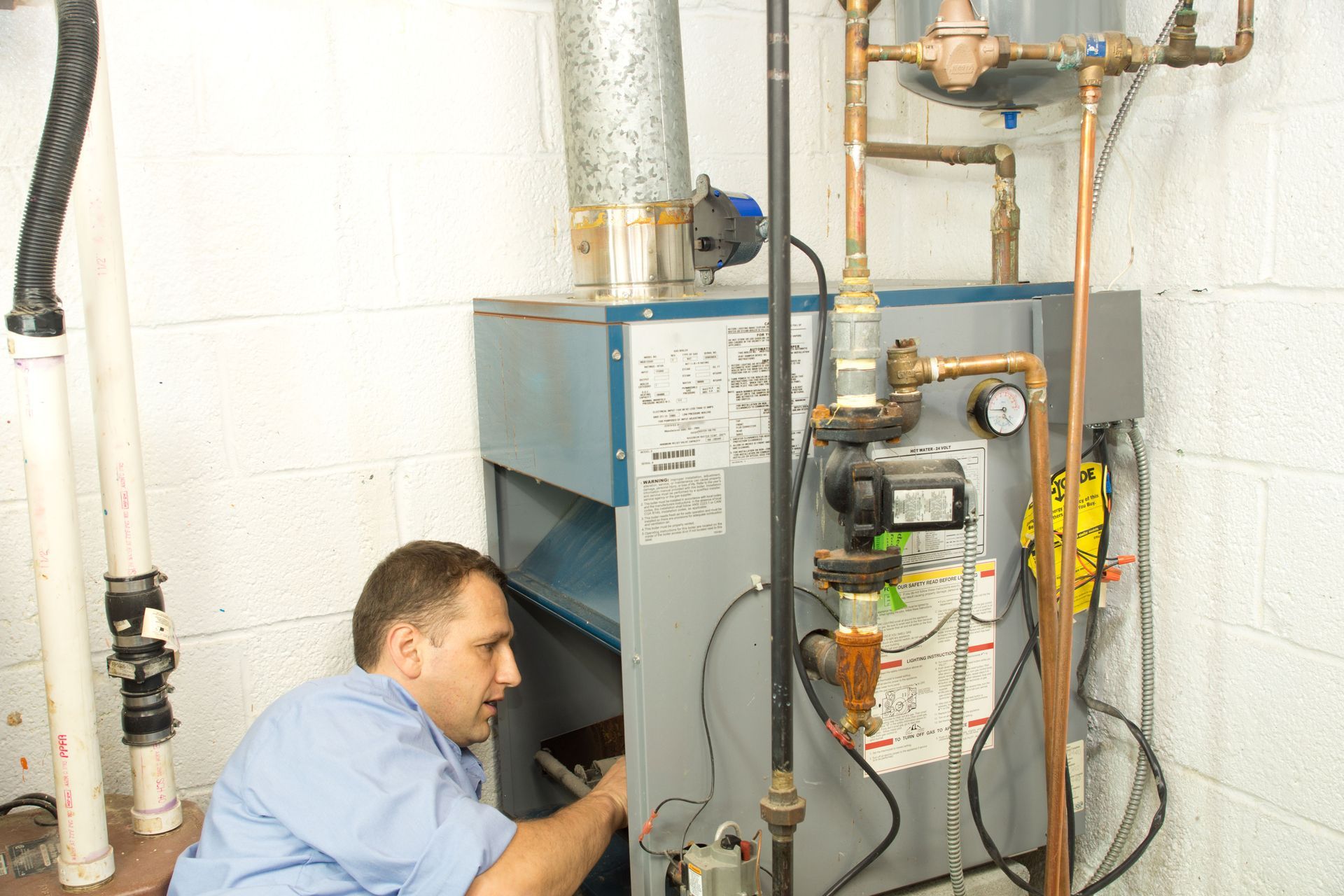
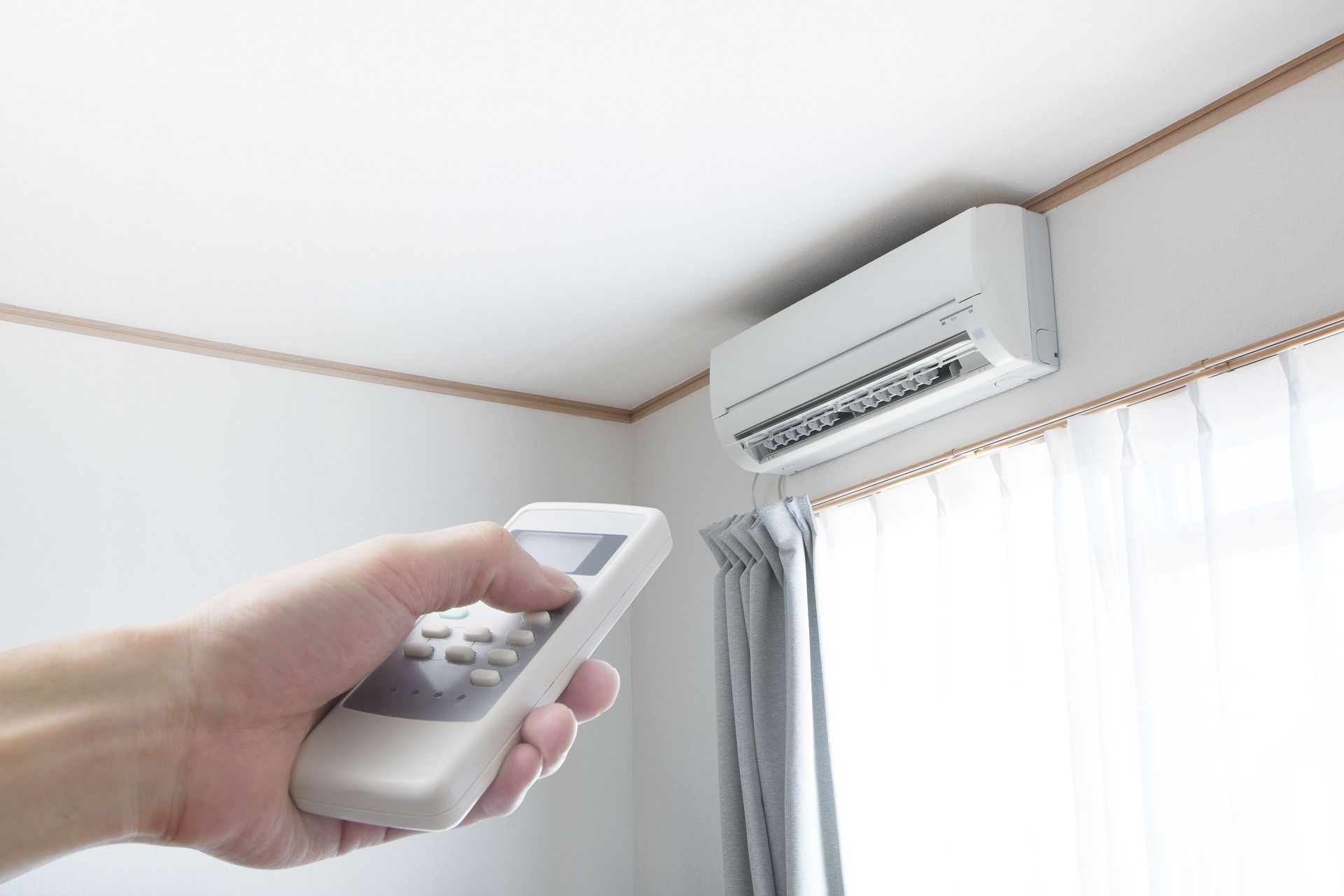
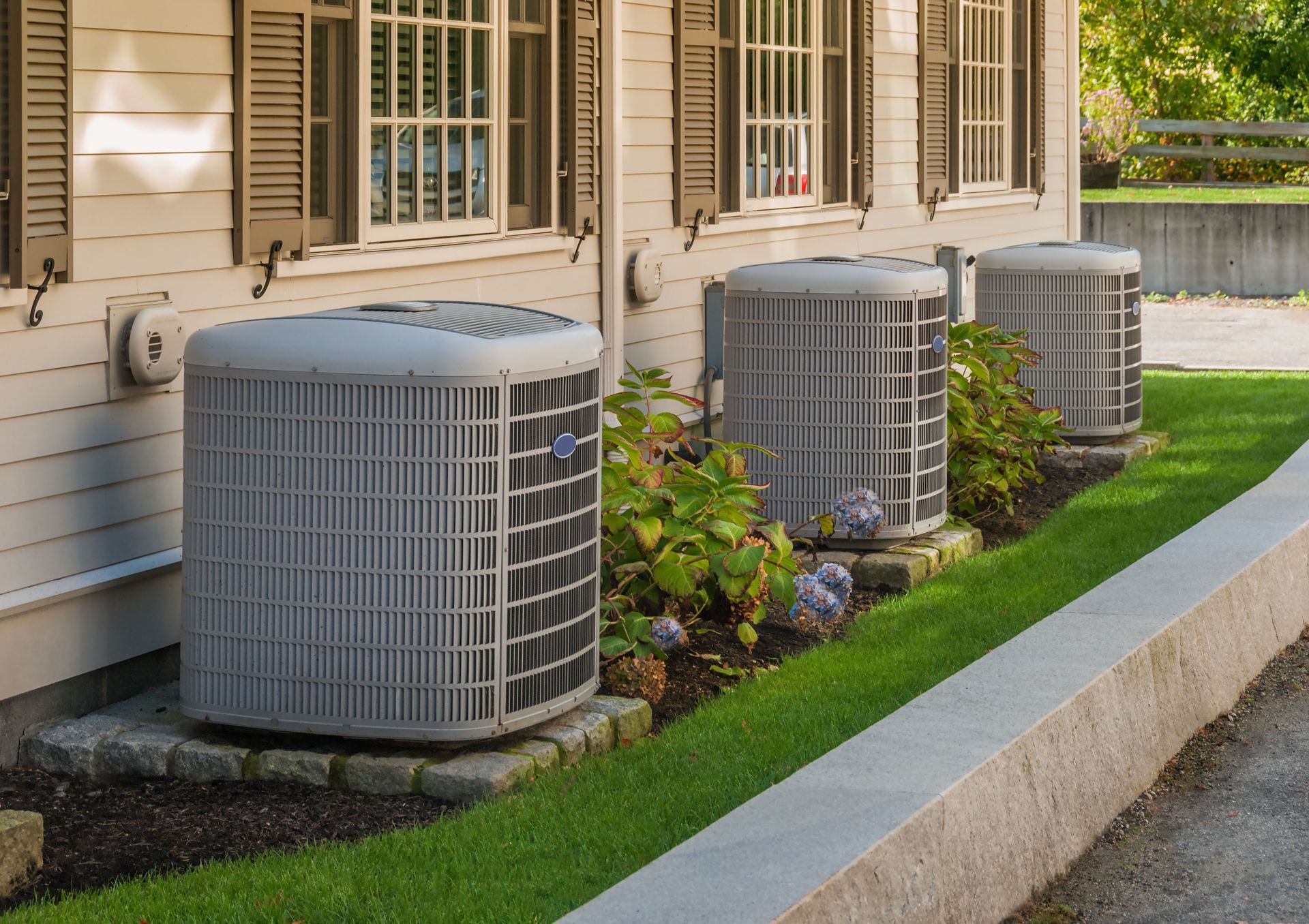
Keeping your home comfortable during hot weather shouldn't mean dealing with unnecessarily high electricity bills. Your air conditioning system plays an important role in maintaining indoor comfort, but inefficient equipment, inadequate insulation, and neglected maintenance can increase energy consumption. Understanding how these factors work together can help homeowners make informed decisions about their cooling systems. At Viglione Heating & Cooling, we believe that efficient cooling begins with professional maintenance, reliable equipment, and thoughtful home improvements. From preventive inspections to cooling repairs, our team helps homeowners identify opportunities to improve system performance and reduce unnecessary energy expenses. Here are several ways to make your home more energy-efficient while maintaining a comfortable indoor environment. 1. Improve Your Air Conditioning System's Efficiency Your air conditioning equipment is one of the most important components of your home's energy management. Keeping it in good condition helps maintain consistent temperatures while minimizing wasted electricity. Schedule Professional HVAC Maintenance Regular maintenance helps your air conditioning system operate efficiently throughout the cooling season. Over time, components accumulate dirt, connections experience wear, and mechanical problems can develop. These issues may force equipment to work harder than necessary, increasing electricity consumption and reducing comfort. According to the U.S. Department of Energy, proper HVAC maintenance and improvements to your home's insulation can help reduce household energy bills by as much as 30%. Actual savings depend on existing equipment conditions, insulation quality, and other household factors. Professional inspections allow technicians to evaluate airflow, electrical connections, refrigerant performance, and overall system operation. Identifying problems early may prevent more extensive cooling repairs while helping equipment maintain dependable performance during periods of heavy use. Upgrade Outdated Cooling Equipment Older air conditioning systems may consume significantly more electricity than newer, energy-efficient models. Equipment that struggles to maintain comfortable temperatures can experience longer operating cycles and increased mechanical strain. Modern air conditioners often feature variable-speed technology, improved compressors, and advanced temperature controls. These features allow equipment to adjust cooling output based on household needs rather than operating continuously at maximum capacity. At Viglione Heating & Cooling, we help homeowners evaluate whether continued cooling repairs or equipment replacement represents the better long-term investment. Our recommendations consider system age, operating efficiency, repair history, and household comfort requirements. A properly sized, professionally installed system can provide dependable cooling while reducing unnecessary energy consumption. Install Smart Temperature Controls Smart thermostats provide convenient ways to manage indoor temperatures and improve cooling efficiency. Many models offer programmable schedules, remote access, and automatic adjustments based on household routines. These features help reduce unnecessary air conditioning operation when residents are away. Some thermostats also provide energy reports that make it easier to understand cooling patterns and identify opportunities for improvement. However, thermostat performance depends on compatibility with the existing HVAC equipment. Professional installation helps ensure that controls communicate correctly with the cooling system. When combined with regular maintenance and timely cooling repairs, modern temperature controls can support more consistent comfort and efficient operation. 2. Improve Your Home's Airflow and Insulation Even an efficient air conditioner can struggle when cooled air escapes through leaking ducts or excessive heat enters the home. Addressing these conditions helps your equipment perform more effectively. Maintain Proper Airflow Airflow restrictions can make air conditioning systems less efficient and contribute to uneven indoor temperatures. Dirty filters, blocked vents, and deteriorating ductwork may prevent conditioned air from reaching different areas of the home. During professional maintenance appointments, our technicians can evaluate airflow concerns and recommend appropriate solutions. We also assess whether system components are operating within their intended specifications. Restricted airflow may contribute to frozen evaporator coils, excessive operating times, and premature component wear. Addressing these problems promptly can reduce the likelihood of expensive cooling repairs and help maintain reliable comfort. Seal and Insulate Ductwork Ductwork carries conditioned air throughout your home. When ducts develop leaks or lack adequate insulation, cooled air may escape into attics, crawl spaces, or other unconditioned areas. These losses can increase cooling expenses because the air conditioner must operate longer to maintain the desired indoor temperature. Leaky ducts may also contribute to uncomfortable rooms and inconsistent airflow. Professional duct inspections can identify disconnected sections, deteriorating seals, and insulation deficiencies. Technicians can then recommend appropriate sealing or insulation improvements. Addressing ductwork problems supports both heating and cooling efficiency, making professional improvements valuable throughout the year. Improve Household Insulation Insulation helps limit heat transfer between indoor and outdoor environments. During summer, inadequate insulation allows outdoor heat to enter living spaces, increasing the demand placed on air conditioning equipment. Attics, exterior walls, and other areas of the building envelope can significantly influence indoor temperature stability. Improving insulation may help rooms remain comfortable for longer periods without requiring additional cooling. Professional energy assessments can identify areas where insulation improvements may be beneficial. These recommendations complement HVAC maintenance and cooling repairs by addressing conditions that increase equipment workload. Combining reliable equipment with effective insulation creates a more comprehensive approach to household energy efficiency. 3. Reduce Heat Gain Throughout Your Home Sunlight, ventilation, and indoor activities all influence how much cooling your home requires. Managing these factors can help reduce unnecessary demand on your air conditioning system. Choose Effective Window Treatments Windows allow natural light into your home, but they can also introduce unwanted solar heat. Rooms with significant afternoon sunlight may become noticeably warmer than surrounding spaces. Energy-efficient blinds, cellular shades, reflective films, and exterior awnings can help manage solar heat gain. The most appropriate option depends on window orientation, existing glass, and household preferences. Reducing direct sunlight during the hottest periods can help maintain comfortable indoor temperatures. These improvements work alongside professional cooling repairs and maintenance by limiting unnecessary strain on air conditioning equipment. Support Comfortable Air Circulation Ceiling fans and properly designed ventilation systems can complement central air conditioning by improving indoor comfort. Fans create air movement that helps occupants feel cooler, potentially allowing comfortable operation at higher thermostat settings. However, fans do not actually lower room temperatures. Their primary benefit comes from improving perceived comfort when people are present. Natural ventilation may also be useful when outdoor temperatures and humidity are favorable. During extremely hot or humid conditions, relying on properly functioning air conditioning is generally more effective. Our team can evaluate persistent airflow problems and determine whether professional cooling repairs, ventilation adjustments, or equipment improvements are necessary. Limit Unnecessary Indoor Heat Everyday household activities can introduce additional heat into living spaces. Cooking appliances, lighting, electronics, and other equipment contribute to indoor temperature changes. Energy-efficient appliances and lighting can help reduce some of this additional heat. Managing heat-producing activities during warmer periods may also reduce cooling demand. These measures are most effective when the air conditioning system is already operating properly. A malfunctioning unit may continue consuming excessive electricity regardless of other household improvements. Professional inspections help identify equipment-related inefficiencies that ordinary household adjustments cannot resolve. 4. Invest in Long-Term Cooling Performance Improving energy efficiency requires attention to both immediate comfort concerns and the long-term condition of your HVAC equipment. Address Cooling Problems Promptly Unusual noises, weak airflow, inconsistent temperatures, and rising electricity bills may indicate developing air conditioning problems. Ignoring these warning signs can allow relatively minor mechanical issues to become more serious. Timely cooling repairs help restore proper operation and may prevent unnecessary stress on other system components. Professional technicians can identify underlying causes rather than simply addressing visible symptoms. At Viglione Heating & Cooling, we focus on dependable service and practical recommendations that support long-term equipment performance. Plan for Future Equipment Needs Air conditioning systems eventually reach a point when replacement becomes more practical than repeated repairs. Evaluating equipment condition before a complete breakdown gives homeowners additional time to consider available options. Our team can assess efficiency, reliability, repair expenses, and cooling requirements to help determine the most appropriate solution. Whether your home needs preventive maintenance, cooling repairs , or a complete system upgrade, professional guidance can help you make informed decisions. At Viglione Heating & Cooling, we're committed to helping homeowners maintain comfortable, energy-efficient living spaces. Contact our team to schedule professional HVAC service and learn how we can help improve your home's cooling performance.



Share On: